

The decision in one minute
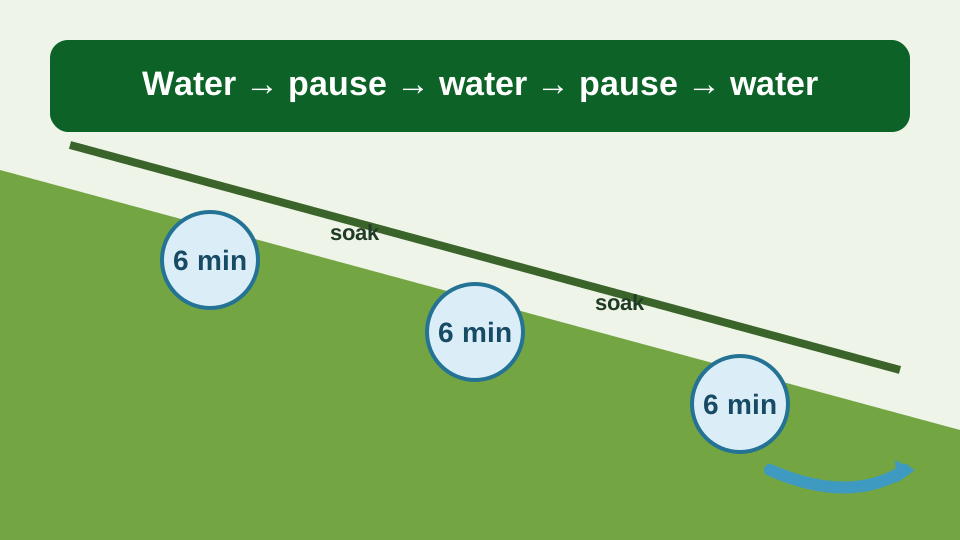
Cycle-and-soak divides one required runtime into shorter cycles separated by absorption pauses. It does not reduce the calculated water depth by itself; it gives clay, compacted soil and slopes time to accept that water before it reaches paving or drains.
Measure before changing settings
Run one zone and note the minute when continuous runoff begins. Stop it, wait until surface water disappears, then repeat. Set each cycle slightly shorter than the observed runoff time. Keep the total runtime based on a catch-cup measurement, not on appearance alone.
| Condition | Practical response |
|---|---|
| Runoff begins quickly | Shorter cycles; longer soak pause |
| Clay or compacted soil | Measure intake; avoid one long run |
| Steep sunny slope | Check upper and lower coverage separately |
| No runoff on level loam | Keep fewer, deeper cycles |
A safe starting method
If runoff begins after eight minutes, try three six-minute cycles with 20–40 minute pauses. Steeper slopes and dense clay may need longer pauses. Flat sandy soil usually benefits less and can dry between overly fragmented cycles.
What commonly goes wrong
Short cycles can fail when the first minutes only pressurise long pipework, dripline never runs long enough to wet deeply, or every zone is given the same pause. Check the root-zone moisture after the complete program and change one variable at a time.
Regional and seasonal adjustment
Reduce total depth after effective rain and during cooler weeks. Hot, windy regions may still need the measured depth, but cycle-and-soak cannot fix broken heads, poor overlap, low pressure or watering restrictions.